Why Skipping Primer Could Cost You More Than You Think
Primer is often seen as an optional step, but skipping it can result in major headaches down the line.
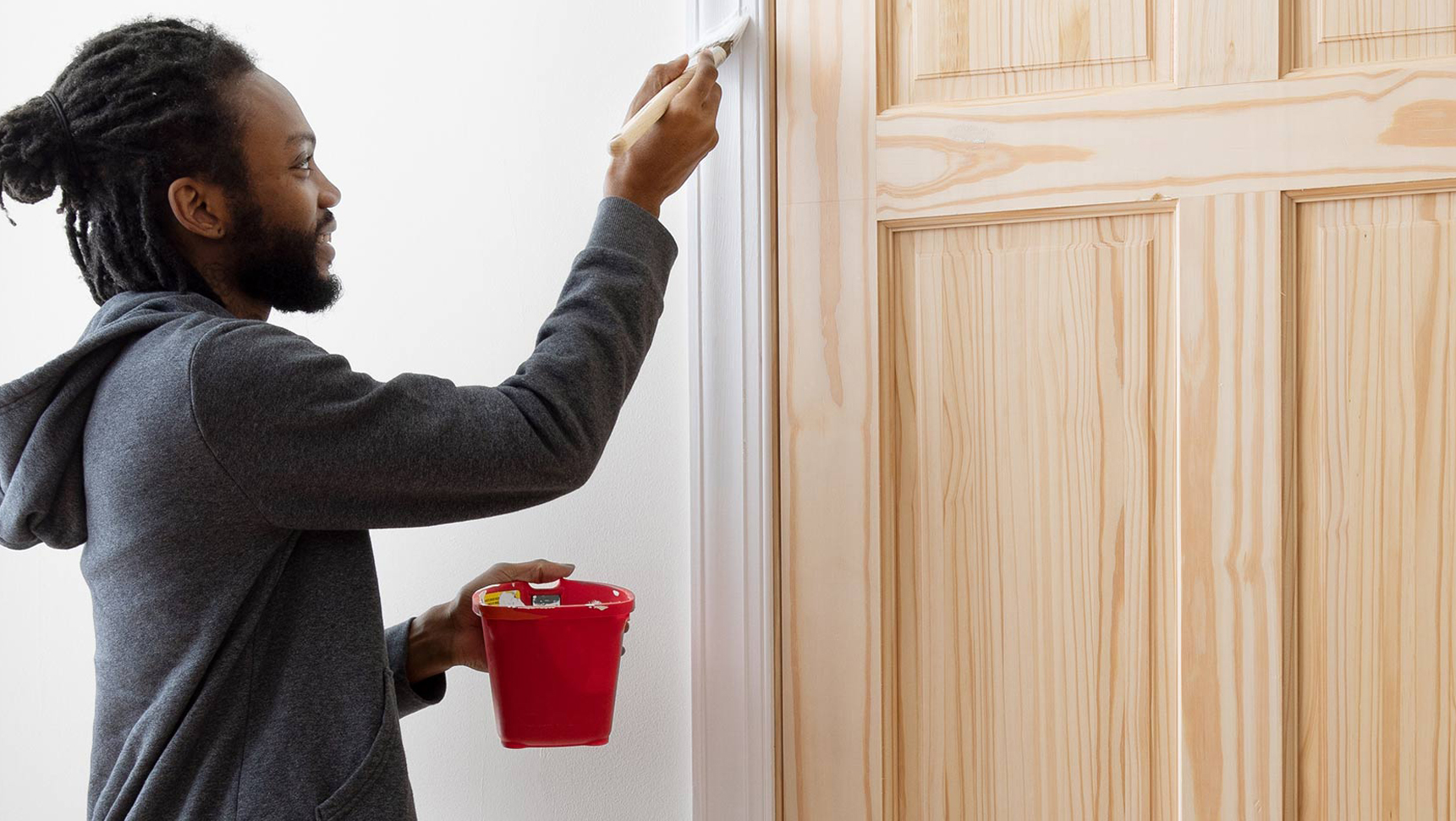

In this post, we’ll break down why it’s essential never to skip priming and the risks you run when you try to bypass this important step in your painting project.
The Risks of Skipping the Primer Stage
Skipping primer might seem like an easy way to cut costs, but it’s a mistake that can lead to much bigger issues. According to Nicholas Travalja, a professional painter with The Souce Group, skipping primer can cause problems like peeling, chipping, and even mould growth in extreme cases. “Primer provides the foundation for the paint. It blocks stains, promotes adhesion, and helps your paint last longer,” Nicholas explains. Without it, you’re setting yourself up for a poor finish and a potential repaint down the road.
Furthermore, primer is even more crucial when painting over existing surfaces, like plaster with old oil-based paint. “If you don’t use the right primer on an oil-based wall, the new paint just won’t stick,” Nicholas says. “You’ll literally be able to peel it off like a sticker.”
Why Not Using Primer Is Foolish
Nicholas firmly believes that skipping primer is a waste of time and money. “Some higher-end paints claim to have a primer built in, but they’re never as effective as using a dedicated primer designed for specific issues,” he says. Primers do more than just create a base for your paint—they solve specific issues like sealing stains, improving adhesion, and creating a smoother surface to work with. Without addressing these concerns, your paint won’t perform at its best, and you’ll spend more on touch-ups or a complete redo.
How Primer Helps Spot Defects
A key reason to prime your walls is to help identify issues that may not be visible during the initial prep. “Priming brings out imperfections like nail pops, fish eyes, and other surface defects that need to be addressed before you apply your final coat of paint,” Nicholas notes. Without priming, these imperfections may go unnoticed until after the paint has dried, leading to a frustrating result. With the right primer, these issues are illuminated, allowing you to fix them before moving on to the finish coat.
Priming Will Help You Avoid Costly Mistakes
Skipping primer also means skipping a key step that ensures longevity. “Primer helps your paint bond better with the surface, ensuring your finish lasts longer and resists wear and tear,” Nicholas says. Without it, you may need to repaint sooner than expected due to poor adhesion or staining.
General Maintenance Tips After Painting
Once your project is complete, maintaining your new paint job is essential for keeping your walls looking fresh. Nicholas recommends scheduling routine touch-ups every few years to ensure your walls stay protected. “Paint may look great right away, but maintenance is important to ensure the investment lasts,” he says. Additionally, if you’re working in a high-traffic area, applying a protective coat over the paint can add durability and help it withstand everyday wear.
Get the Job Done Right with Expert Painting Services
Skipping primer may save time and money in the short term, but it will lead to expensive repairs, touch-ups, and potential failures down the line. Priming ensures that your paint adheres properly, lasts longer, and helps prevent imperfections from being visible in the finished product. Don't skimp on primer if you want a professional job that lasts.
Don't take shortcuts when it comes to priming and painting. Contact Nicholas Travalja at The Soucé Group today for expert preparation and flawless execution, ensuring your home gets the professional finish it deserves.
Jenny Kennedy of Kennedy Literary Agency provides copywriting and content for forward-thinking businesses and is the author of “Launch Into Interior Design and The Consultation Companion.”
Photo: Benjamin Moore
PRESENTING PARTNERS








VIRTUAL TOURS
Explore the Renovation in 3D
