
Understanding Drywall: Types and Installation Methods
Drywall, also known as gypsum board, is a staple in modern construction, providing a smooth finish for walls and ceilings.
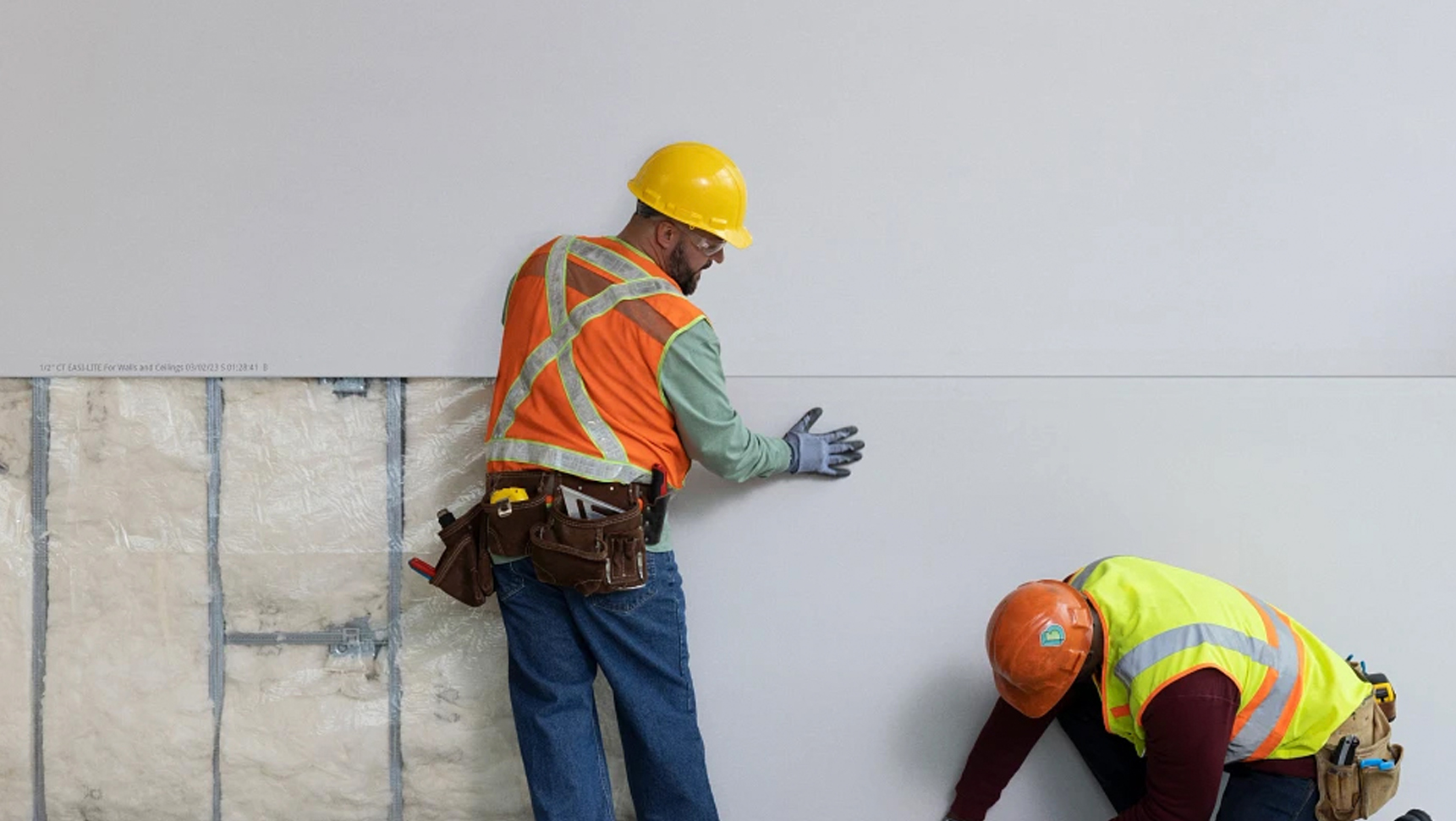
It's versatile, cost-effective, and with the right guidance, the installation process is not only relatively easy but also reassuring, putting you at ease and making the project less intimidating.
However, not all drywall is created equal, and understanding the different types and their installation methods is crucial for a successful project. It's important to be aware of common mistakes in drywall installation, such as improper cutting or insufficient screwing, to avoid potential pitfalls and ensure a successful project.

Types of Drywall
- Standard Drywall
Standard drywall is the most common type used for interior walls and ceilings. It consists of a core of gypsum sandwiched between two sheets of heavy paper. Standard drywall comes in various thicknesses, typically 1/2 inch for walls and 5/8 inch for ceilings. - Moisture-Resistant Drywall
Also known as green board, moisture-resistant drywall is designed for areas prone to humidity, such as bathrooms and kitchens. It has a special coating that helps prevent moisture damage and mould growth. However, it should not be used in areas with direct water exposure, such as showers. - Fire-Resistant Drywall
Fire-resistant drywall, or Type X drywall, contains additional fibreglass to help slow the spread of fire. It is often used in areas that require a fire rating, such as garages and shared walls in multifamily housing. This type of drywall typically has a thickness of 5/8 inch. - Soundproof Drywall
Soundproof drywall is designed to reduce sound transmission between rooms. It is thicker and denser than standard drywall and may contain sound-dampening materials. This type is ideal for home theatres, music studios, or any space where noise reduction is a priority. - Flexible Drywall
Flexible drywall is used for curved walls and arches. It’s thinner than standard drywall and can bend to fit various shapes. This type of drywall is found in creative architectural designs. - Eco-Friendly Drywall
Eco-friendly drywall options are made from recycled materials and are free from harmful chemicals. These products are designed for environmentally conscious builders and homeowners who want to minimize their carbon footprint.
Installation Methods
1. Traditional Installation
Traditional drywall installation involves the following steps:

- Measuring and Cutting: Measure the wall or ceiling area, and cut the drywall to size using a utility knife.
- Hanging the Drywall: Secure the drywall to the studs using drywall screws or nails, starting from the top and working down.
- Taping and Finishing: Apply drywall tape over the seams and cover with joint compound. Sand the surface for a smooth finish.
2. Direct Mounting
Direct mounting is used for drywall installations where studs are not available. The drywall is glued directly to the surface using construction adhesive. This method is often used in renovations to reduce the need for framing.
3. Screw Method
This method involves attaching drywall to the framing using screws instead of nails. Screws provide a more secure hold and are less likely to pop out over time, making this method popular for both walls and ceilings.
4. Resilient Channel Installation
Resilient channel installation is used to reduce sound transmission. Metal channels are attached to the studs, and the drywall is then secured to these channels, creating a separation that helps dampen sound.
5. Ceiling Installation
Installing drywall on ceilings can be tricky due to the weight. Using a lift to support the drywall while securing it is often best. The process is similar to wall installation, but care must be taken to ensure proper support and alignment.
Key Differences in Performance and Applications of Drywall Types
Choosing the right drywall can significantly impact a space's performance, durability, and comfort. We spoke with Robert Hartogsveld, Architectural Solutions Manager of CertainTeed, for expert input on drywall types. “CertainTeed offers specialized drywall solutions designed for specific applications, ensuring optimal results based on environmental needs.”
Here’s a breakdown of the key differences between moisture-resistant, fire-resistant, and soundproof drywall to help you choose the right product for your project:
Moisture-Resistant Drywall
Moisture-resistant drywall is designed for areas with high humidity and occasional water exposure, such as bathrooms, kitchens, and laundry rooms. Its core is treated to resist moisture penetration, minimizing the risk of mould and mildew and making it ideal for spaces needing extra dampness protection.
- Best Applications: Bathrooms, kitchens, basements, laundry rooms
- Key Benefit: Helps prevent mold and mildew growth
Fire-Resistant Drywall
Fire-resistant drywall contains non-combustible fibres, providing extra protection by slowing the spread of flames and heat. It is often used when fire safety codes require additional precautions, such as garages, stairwells, or walls between residential units.
- Best Applications: Garages, stairwells, multi-family housing, commercial spaces
- Key Benefit: Slows flame spread, buying critical time during emergencies
Soundproof Drywall
Soundproof drywall, or acoustic or noise-reducing drywall, is engineered to dampen sound transmission between rooms. This type of drywall is ideal for offices, home theatres, or multi- unit buildings where sound control is crucial. CertainTeed’s soundproof options typically feature enhanced mass and specialized materials to absorb and block sound waves.
- Best Applications: Offices, home theatres, recording studios, apartments
- Key Benefit: Reduces noise transfer for greater privacy and comfort
Choosing the Right Drywall for Your Project
Selecting the right drywall type for your space is the key to maximizing performance. Moisture- resistant drywall protects against humidity, fire-resistant drywall enhances safety, and soundproof drywall offers superior acoustic performance.
Robert also says, “With CertainTeed's wide range of specialized drywall solutions, you can ensure your project meets its unique needs, providing lasting durability, safety, and comfort.”
Conclusion
Whether you want to create a moisture-resistant bathroom, a soundproof music room, or a visually stunning curved wall, selecting the right drywall and installation method will ensure the best results. You can achieve a great finish that meets your needs with the right materials and techniques.
Contact CertainTeed for expert advice and assistance on where to purchase for your next drywall project! They are dedicated to healthy environments that care for people with Health Product Declarations, Environmental Declarations and UL Green Guard Gold Certifications.
Jenny Kennedy of Kennedy Literary Agency provides copywriting and content for forward-thinking businesses and is the author of “Launch Into Interior Design and The Consultation Companion.”
Photo provided by CertainTeed
PRESENTING PARTNERS







VIRTUAL TOURS
Explore the Renovation in 3D
