
Maximizing Comfort and Efficiency: The Benefits of Stone Wool Floor Insulation
When insulating our homes, we often focus on walls and roofs. However, floor insulation is equally important and can significantly impact your home's comfort and energy efficiency.
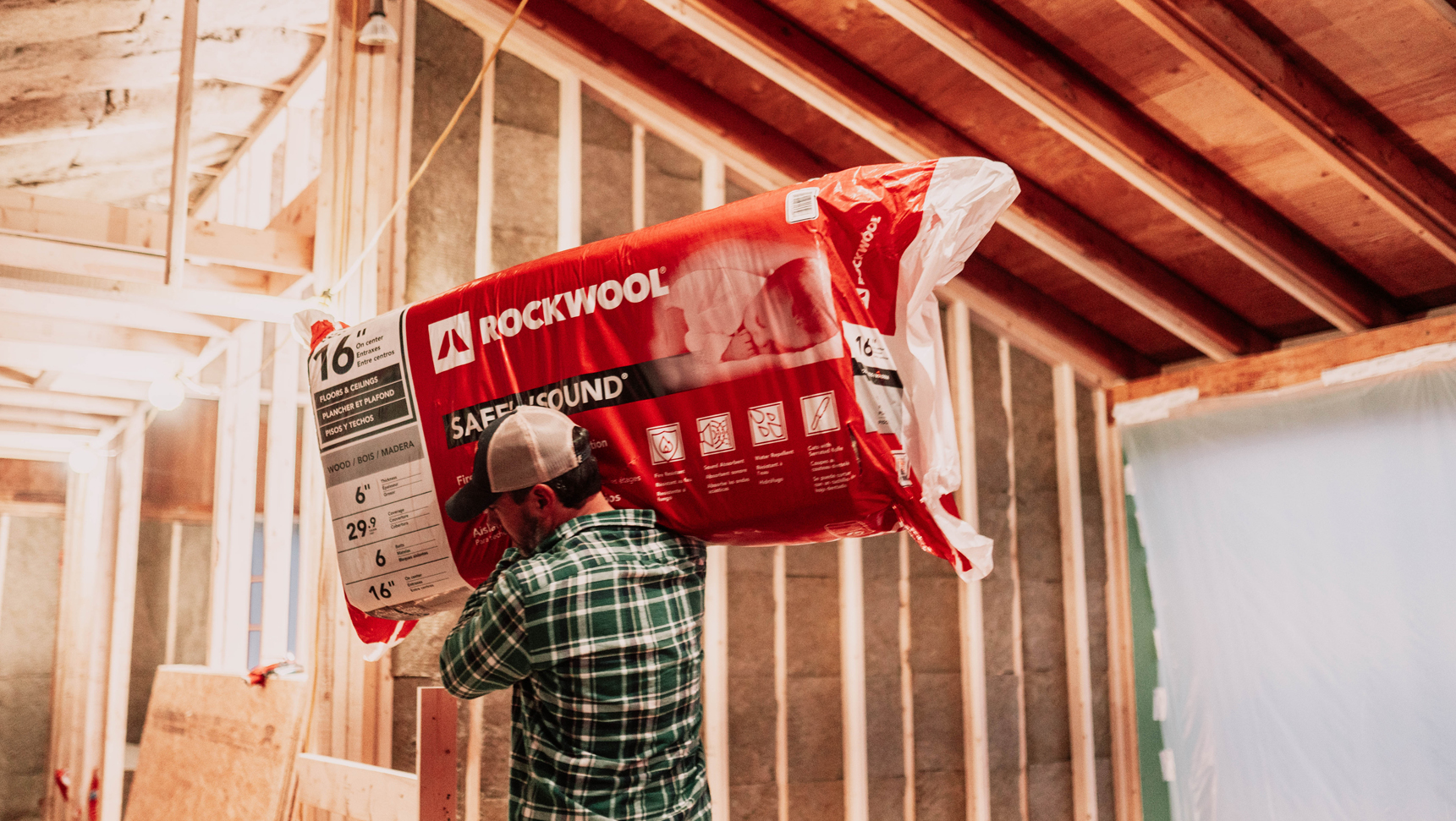
Let's delve into why floor insulation is essential for maintaining a comfortable and energy-efficient home. We’ll also explore why stone wool insulation stands out as a superior choice for this purpose, offering numerous benefits ranging from thermal efficiency to fire resistance.

Why Do We Need Floor Insulation?
Floor insulation is crucial for several reasons:
- Comfort: Insulating your floors reduces the cold seeping up from the ground, especially in homes with elevated structures or basements. It helps maintain a consistent indoor temperature, making your living space more comfortable throughout the year.
- Energy Savings: Insulation helps decrease the energy needed to heat your home by reducing the heat lost through the floor. This reduction can lead to considerable savings on your heating bills.
- Noise Reduction: Floor insulation also acts as a sound barrier. It can significantly reduce noise transmission, especially in multi-level homes or buildings, creating a quieter and more peaceful environment.
- Moisture Control: Properly insulated floors can prevent moisture build-up, often leading to mould and mildew. This aspect is particularly important in humid or damp climates.
What is stone wool insulation, and how is it different from traditional fibreglass?
Stone wool insulation, also known as mineral wool insulation, is made from natural volcanic rock heated to a very high temperature and spun into fine fibres. This process creates a dense, durable insulation material that excels in both thermal resistance and sound absorption.
Unlike fibreglass insulation, which is also fibrous but made from a different type of glass melt, stone wool is naturally fire-resistant. It can withstand temperatures up to 1000°C without melting, making it an exceptionally safe choice in environments where fire safety is a concern. Stone wool does not absorb water, which helps prevent mould and bacterial growth, making it a healthier option for indoor environments than fibreglass, which can absorb moisture and potentially harbour mould.
Benefits of Stone Wool for Floor Insulation
Stone wool, a type of mineral wool insulation made from volcanic rock, offers several advantages for floor insulation:
- Thermal Performance: Stone wool provides high thermal resistance, which helps maintain a stable indoor temperature. Its dense structure traps air, preventing heat from escaping through the floor.
- Fire Resistance: One of the most significant advantages of stone wool is its ability to resist fire. It can withstand temperatures above 1,000°C, making it a safe choice for residential and commercial insulation.
- Durability: Stone wool is incredibly durable. It does not degrade over time and maintains its insulation properties throughout a building's lifespan, which can be several decades.
- Moisture Resistance: Unlike some other insulation materials, stone wool is water-repellent. It repels water effectively, ensuring it remains effective even in damp conditions. This property also helps prevent the growth of mould and bacteria.
- Eco-Friendly: Stone wool is often made from recycled materials, and its production process is designed to minimize environmental impact. It is also fully recyclable, which reduces waste and supports sustainable building practices.
- Sound Absorption: Stone wool has excellent acoustic properties. It reduces sound transmission through floors, ideal for high-traffic areas or buildings where noise reduction is a priority.
What is the Cost Difference Between Stone Wool and Batt Insulation?
We talked to the professionals at ROCKWOOL to find out.
“Generally, stone wool insulation is more expensive than fibreglass insulation. But we believe it’s important to look at the total value of the product—not just price—when making your selection. Insulation is one of the few materials in the building or renovation process with an actual ROI. The better the insulation performs, the more you’ll save in energy costs.
We suggest homeowners look for a product that will provide thermal control for the lifetime of the building without needing to be replaced or upgraded. Stone wool insulation is known for its exceptional durability—it won’t slouch or degrade over time, providing consistent and long-term comfort and added safety to a building’s occupants. It’s also got inherent moisture resistance, meaning it won’t rot or promote mold growth.
The density of stone wool contributes to its exceptional sound absorption properties, so it helps minimize noise to improve interior comfort and well-being in homes. Lastly, stone wool insulation is noncombustible. It’s made from rocks, so it can withstand intense heat up to 1,177◦C (2,150◦F) and will not promote the spread of flames or produce toxic smoke in the event of a fire.”
Stone Wool Insulation Installation Tips
Stone wool insulation batts are easy to install with a few important best practices in mind.
- Cut with a serrated blade to achieve an optimal fit around electrical wiring boxes, pipes, and between studs and joists that are not standard-width
- Install within a wood or steel stud framed wall cavity using the "insert, compress, release" method
- Wear gloves, a dust mask, and eye protection.
Conclusion
Floor insulation is essential to building a comfortable, efficient, and quiet home or office. Stone wool offers superior benefits, including thermal resistance, fire safety, durability, moisture resistance, and sound absorption.
By choosing stone wool for your floor insulation, you will enhance the comfort and efficiency of your space and contribute to a safer and more sustainable environment. Whether you are building a new home or retrofitting an existing one, consider stone wool insulation for your floors to reap these benefits.
ROCKWOOL stone wool insulation products are widely available at lumberyards and box retailers across Canada. Interested in learning more? Contact the experts at ROCKWOOL.
Jenny Kennedy of Kennedy Literary Agency provides copywriting and content for forward-thinking businesses and is the author of “Launch Into Interior Design and The Consultation Companion.”
PRESENTING PARTNERS








VIRTUAL TOURS
Explore the Renovation in 3D
