
Understanding the Differences Between Priming Plaster vs Drywall
When prepping your walls before painting, using the right primer is essential for achieving a smooth, long-lasting finish.
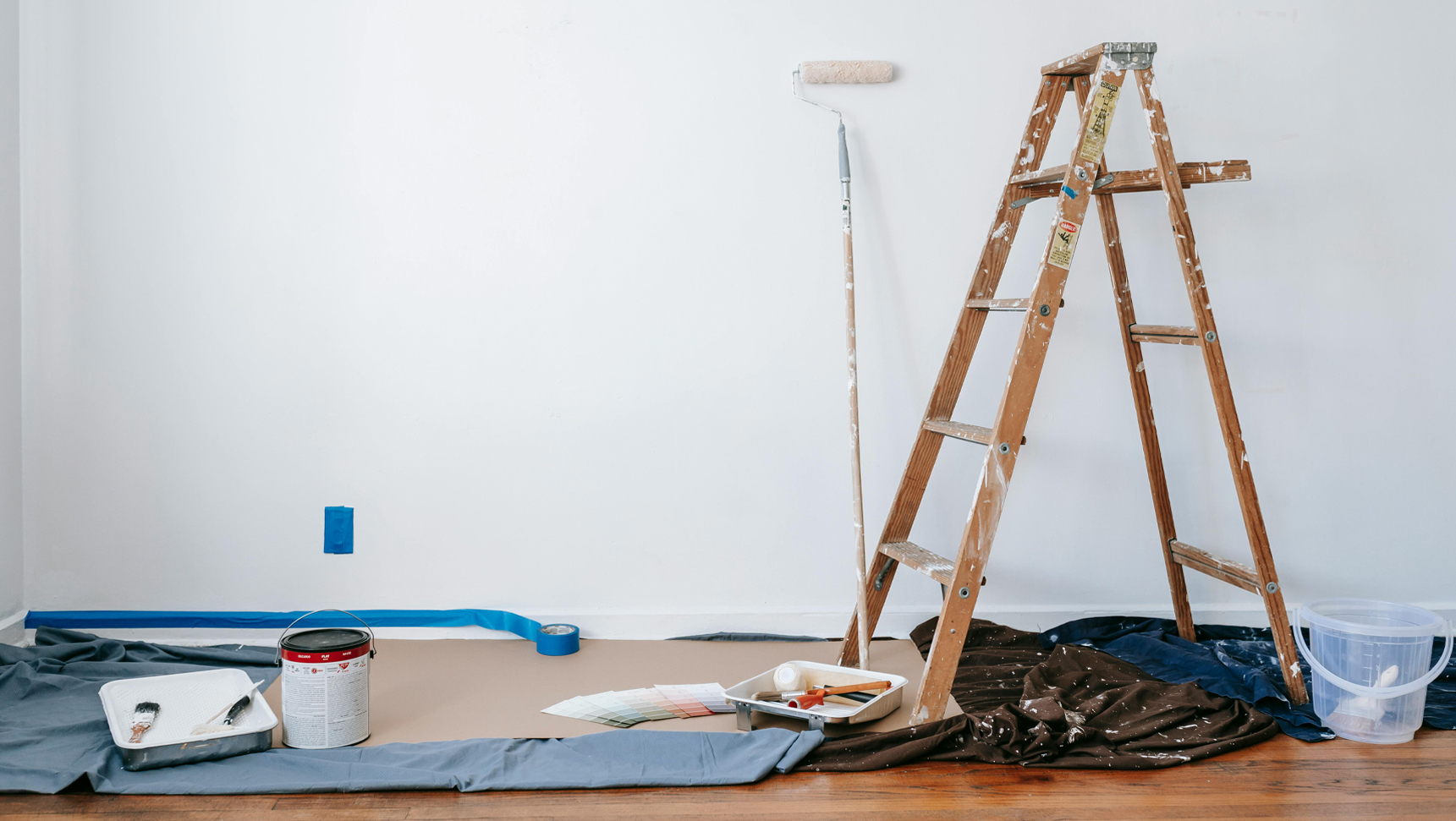

With so many options on the market today, getting lost in the details is easy, but knowing what matters most will help guide you to the best decision.
The Importance of Using the Correct Primer
Using the correct primer isn’t just about making the paint look good—it’s about creating a solid foundation. As Nicholas Travalja, a professional painter at The Soucé Group, explains, “Primer is your first line of defence. It helps seal the surface, covering up imperfections and providing better adhesion for the paint.” For drywall, a PVA (polyvinyl acetate) primer is often used. This water-based primer works wonders by sealing drywall mud, helping to create a smooth, even surface for paint. However, it should only be used on fresh drywall as it’s designed specifically for this purpose.
When dealing with plaster, however, things get a little more complicated. Older plaster walls may have accumulated imperfections, oil-based stains, or other issues that need special attention. A bonding primer, like Benjamin Moore’s Fresh Start, is recommended to combat this. These primers are designed to adhere to slick, uneven surfaces, ensuring the paint sticks where it needs to. Without this type of primer, the paint may fail to adhere properly and peel off in sheets, especially on old plaster that’s been painted with oil-based paints in the past.
Why You Need the Right Primer for the Job
Using the wrong primer or skipping this step can lead to peeling, staining, and uneven finishes. Nicholas points out that using a primer that doesn’t match the surface can lead to issues like “paint peeling off like a sticker,” which can be frustrating and costly. Each primer is specially formulated to address different challenges, whether it's sealing stains, improving adhesion, or providing a smooth surface to paint on. Using the right primer is key to achieving the perfect result.
The Challenges of Priming and Painting Drywall vs. Plaster
Priming drywall is relatively straightforward. Since drywall is a smooth, fresh surface, the goal is to create a uniform coat that seals in any seams or mudding. However, with plaster, especially older plaster walls, you’re dealing with a surface that may have absorbed moisture over time, developed cracks, or been painted with oil-based paint. This requires a more thorough priming process, as it’s essential to ensure adhesion and smooth out imperfections before applying the topcoat.
“One of the biggest challenges with plaster is the oil texture left over from old paints,” Nicholas says. “You need a primer that can handle that texture and lock it in place to create a stable surface.” Without this crucial step, even the highest quality paint may not adhere properly.
Preventing Runs or Sags When Spraying vs Rolling
Both spraying and rolling have their pros and cons, but when it comes to achieving a flawless finish, the technique is just as important as the product you’re using. For spraying, Nicholas advises adjusting the pressure to avoid runs. “If you’re using a thin primer like PVA, the spray pressure is crucial. Too high, and you’ll get drips,” he warns. For thicker primers, like Fresh Start, there’s a little more leeway, but controlling pressure and speed remains important.
If you prefer rolling, Nicholas recommends “back rolling” after spraying. This technique uses a roller to smooth out excess primer and level the texture. “Back rolling helps eliminate runs, ensuring a smoother, more consistent finish,” he explains.
What Homeowners Should Look for in a Residential Painter
When hiring a painter, it’s important to find someone who values preparation just as much as the final result. “The prep work accounts for 70% of the success of a painting project,” Nicholas emphasizes. Ensuring the painter takes time to properly clean, caulk, sand, and prime the walls can make all the difference in achieving a polished, professional finish. Good painters understand the importance of proper surface preparation and don’t cut corners.
Lastly, The Proper Order of Work in a Painting Project
Knowing the correct order of tasks is crucial for a smooth, efficient project. Nicholas explains, "You want to complete the rough surface work—priming and patching—before installing the flooring and trim. Once the floors are down and trim is in place, that’s when the finish work, including final painting, happens." This ensures that the finish coat isn’t compromised by the dust or debris accumulating when working in an unfinished space.
For professional advice and exceptional painting services, Nicholas Travalja at The Soucé Group can help with your next residential project. Reach out today for expert prep, priming, and flawless finishes that will give your home the makeover it deserves.
Jenny Kennedy of Kennedy Literary Agency provides copywriting and content for forward-thinking businesses and is the author of “Launch Into Interior Design and The Consultation Companion.”
Photo: BlueBird
PRESENTING PARTNERS








VIRTUAL TOURS
Explore the Renovation in 3D
