
Interior Stripping vs. Demolition: The Difference Explained
There are a lot of terms thrown around about home renovation, and not all of them are familiar. Interior stripping, or an interior strip-out, may be one of them.
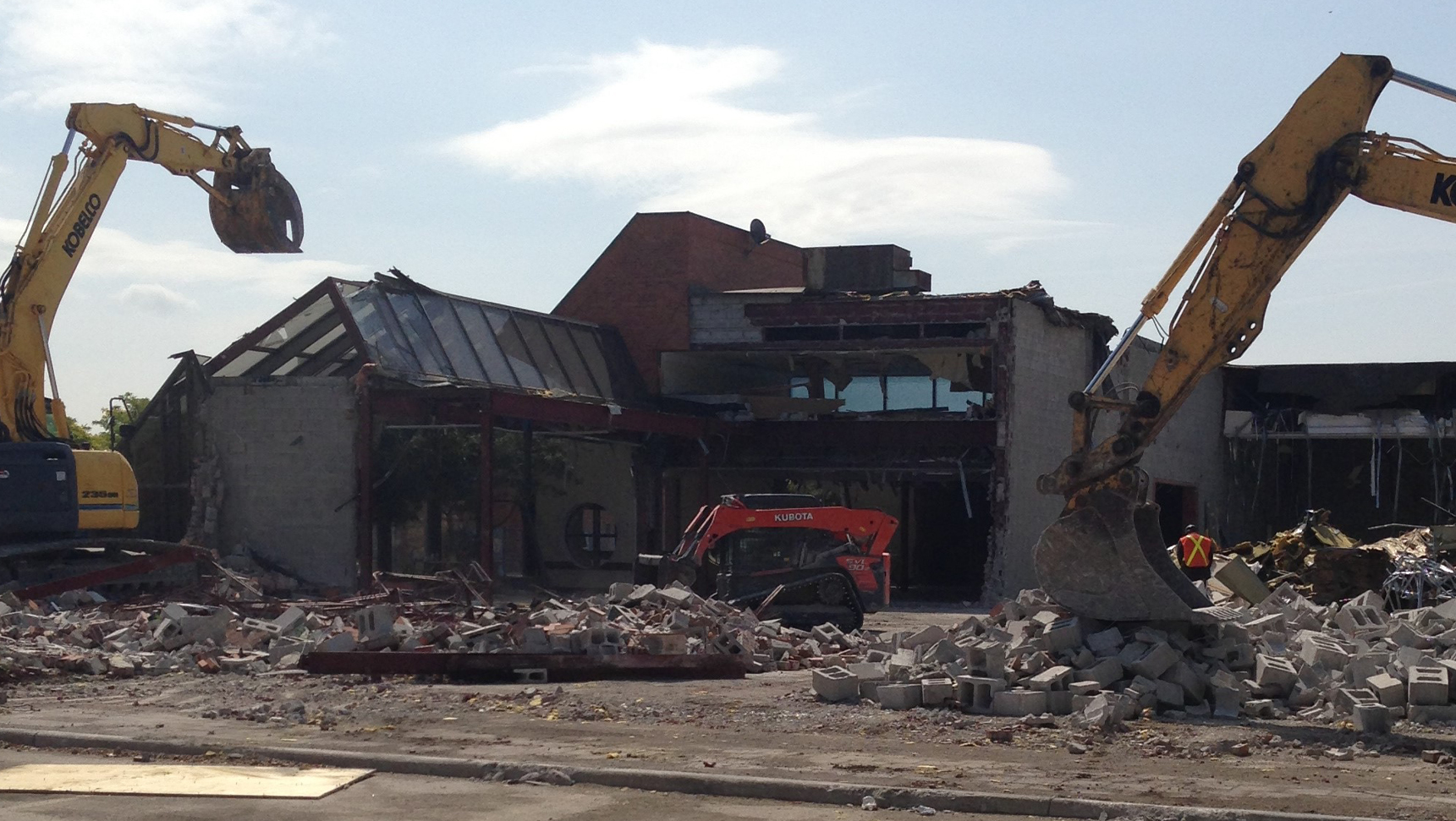
In reality, unless you are a tradesperson or contractor, you aren’t likely to know everything about the difference between home demolition and stripping out.
What is the Difference Between Interior Stripping and Interior Demolition?
Interior stripping is considered a soft demolition where everything except the support beams and columns are removed.
Interior demolition is used interchangeably with a soft strip, but hard demolition involves the use of the following methods:
- Explosives
- Machines
- By Hand
Demolition often involves the complete destruction and removal of a structure.

Do You Need a Permit for an Interior Strip-Out?
The short answer is yes. Any demolition, stripping out, or home renovation requires a building permit.
Otherwise, you could face hefty fines and be forced to remove any construction so the building inspector can assess the work. Re-doing your work is time-consuming and very costly. It may even result in lawsuits with contractors or future homeowners.
Is an Interior Strip-Out Hard?
Most of the time, buildings slated for interior stripping or soft demolition involve older construction. Removing flooring, walls, built-ins, etc., may not be hard, but it definitely is a workout.
Swinging a sledgehammer or yanking out cabinets is more labour-intensive and poses the risk of flying debris, splinters, or even dropping tools on your feet. Worse, drywall, wood, and unexpected loose items could fall on your head. It’s important to wear steel-toed boots, a hard hat, and safety glasses for protection.
Pay close attention to what you’re breaking down, too. Turn off the circuit breaker to prevent electrical shock, and wear ventilation masks to prevent inhaling hazardous dust or materials.
Is an Interior Strip-Out Dangerous?
There are dangerous components lurking in the walls and vents. Aside from live electrical or rodent droppings, you will likely run into asbestos if the construction is older than 1987.
Asbestos is tiny cancer-causing particles found in insulation, ceiling tiles, old vinyl flooring tiles, and inside ductwork and was declared illegal in Canada in the 1980s.
Jim Antonangeli, President of Bel-Co Recycling Inc., says, “The best way to handle, dispose of, and recycle asbestos is to hire licensed asbestos abatement professionals. Improper handling of asbestos-containing materials puts workers and the general public at risk. Asbestos exposure causes diseases such as mesothelioma cancer, lung cancer, and asbestosis.”
If there’s any chance of asbestos exposure, you must contact certified professionals to safely contain and remove asbestos before further interior demolition or construction can continue.
What Do Homeowners Need to Know About Demolition Disposal?
When preparing for a home demolition, it is important to identify which structural elements must be removed, determine what materials can be recycled or reused, obtain necessary safety protocols to avoid hazardous materials, and establish project costs before beginning the project.
- Call Your Mortgage Lender
- Get Estimates from Demolition Contractors
- Obtain Proper Permits
- Contact Utility Companies
- Check for Hazardous Materials
- Deconstruction
- Hiring a Demolition Contractor
Protect Your Home with Expert Waste Removal
Companies such as Bel-Co Recycling in Ontario handle the messy work of hard and soft demolition and have the equipment to collect and haul it all away afterward.
Jim says, “We are a one-stop shop. We handle demolition, excavation, disposal, and hauling of construction material, we have over 40 years of experience as machine operators, drivers, and labourers.”
Our technicians safeguard you and your property every step of the way with honest, friendly service you can trust.
Schedule your waste removal by calling 905-761-9498 today!
Jenny Kennedy of Kennedy Literary Agency provides copywriting and content for forward-thinking businesses and is the author of “Launch Into Interior Design and The Consultation Companion.”
Photo provided by Bel-Co Recycling
PRESENTING PARTNERS








VIRTUAL TOURS
Explore the Renovation in 3D
