
How to Move or Upgrade Your Water Meter: What You Need to Know
Planning a renovation or a major project at home? You might need to move or upgrade your water meter.
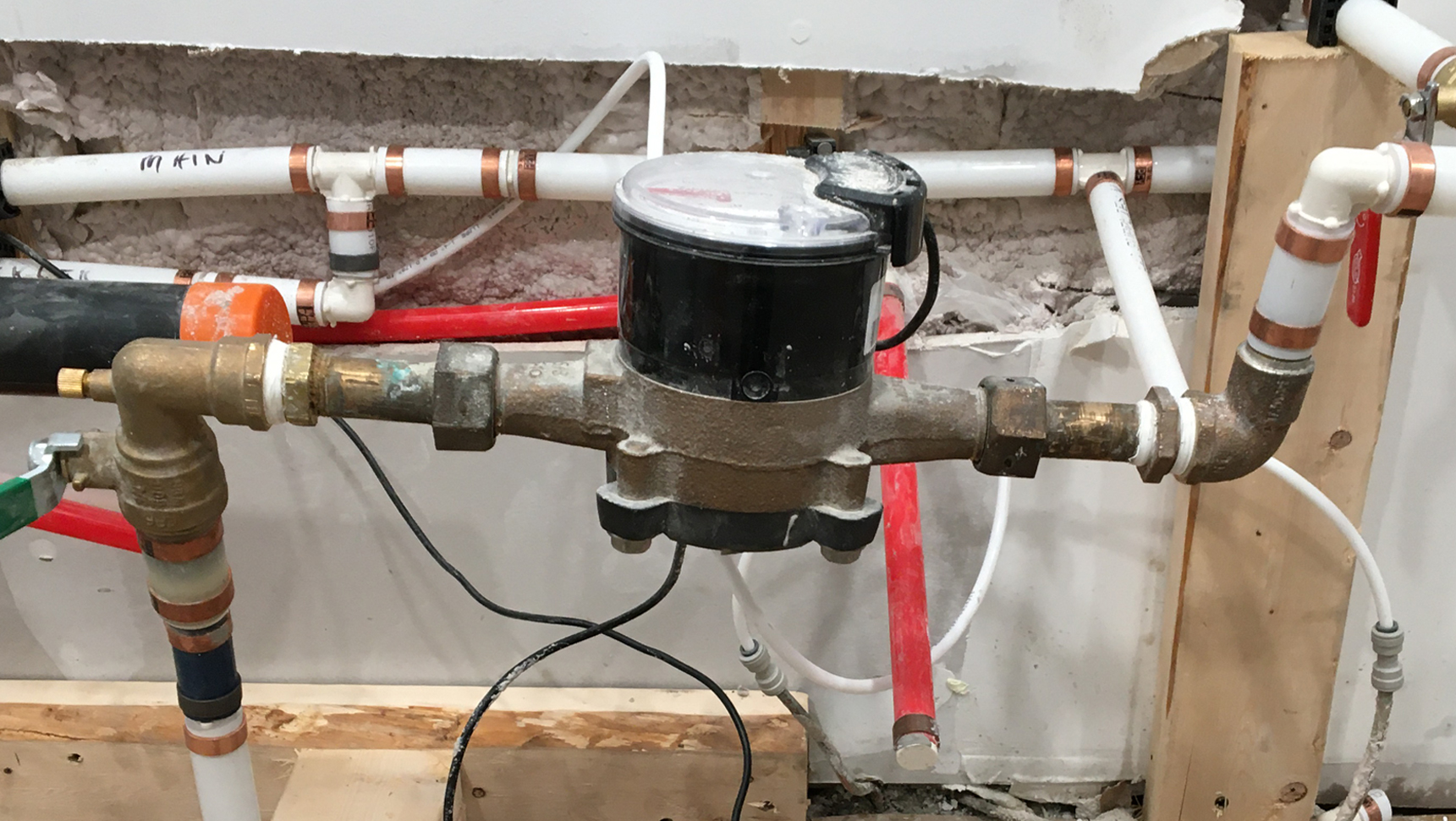

Whether you're building a new addition, underpinning your basement foundation, or simply reconfiguring your space, there are times when relocating your water meter becomes essential. Ed O'Flanagan, owner of Lewitt Construction Inc., breaks down the process, the steps involved, and what you should know to ensure everything goes smoothly.
Why Would You Need to Move a Water Meter?
Ed O'Flanagan, a seasoned expert in home renovations, explains that moving a water meter is often necessary when a homeowner is undergoing extensive construction. “If you're underpinning your basement, adding new bathrooms, or increasing the size of your water supply line for a larger plumbing system, you might need to relocate your meter,” he says. The meter's current location could interfere with your home's new design or layout. Additionally, city requirements might come into play, like when converting from a septic system to municipal water or demolishing more than 50% of your home.
The Step-by-Step Process of Relocating or Upgrading Your Water Meter

Once the need to relocate or upgrade your water meter has been established, homeowners must apply for a disconnection service from their local municipality. “It’s usually a bit of paperwork upfront,” Ed advises, “but necessary to get the ball rolling.” After application and payment, the city will dispatch a contractor to handle the work up to the property line. From there, homeowners need to hire a qualified plumber to connect the new meter inside the house.
“Make sure your plumber is experienced with this kind of work. There’s a lot of coordination between the city and private contractors, and things can get delayed if the plumber isn’t familiar with the process,” Ed explains. To avoid complications, it's essential to ensure city contractors and plumbers are on the same page.
How Long Does the Process Take?
On average, Ed shares that moving or upgrading the water meter inside the home will take one day of work for the plumber. However, if you’re increasing the size of your water supply line, “it may take up to two days, especially if you’re using more advanced methods like a torpedo pipe installation,” Ed says. Keep in mind that the city's timeline for handling installations or upgrades at the property line can vary, but it typically takes about 12 weeks from receipt of payment for the city to complete their part.
Emergency Repairs: What Happens If You Crack a Water Main?
Ed provides a practical tip on dealing with any accidental damage. “If you crack or break a water main, the first thing to do is locate where the break is. You’re responsible for repairs with a plumber if it's on your property. They'll handle the repair for free if it's on the city’s portion.” This could save you from having to deal with unexpected costs and headaches.
Conclusion
Relocating or upgrading your water meter requires coordination between your local municipality, contractors, and skilled plumbers. Understanding the steps, timelines, and costs can help you better prepare for what lies ahead. Be sure to work with experienced professionals on these projects, and stay current with your local regulations. Moving a water meter might seem like a big task, but with the right knowledge and preparation, it doesn’t have to be complicated.
Elitrex Plumbing Ltd. has the expertise to handle the entire process of relocating or upgrading your water meter. Contact them today for expert advice and professional assistance with your water meter relocation or plumbing needs. General Contracting: Lewitt Construction Inc.
Jenny Kennedy of Kennedy Literary Agency provides copywriting and content for forward-thinking businesses and is the author of “Launch Into Interior Design and The Consultation Companion.”
PRESENTING PARTNERS









VIRTUAL TOURS
Explore the Renovation in 3D
