
Updating Drainage Systems in Older Homes: Moving Floor Drains
Renovating an older home means dealing with plumbing systems that might not meet current codes.
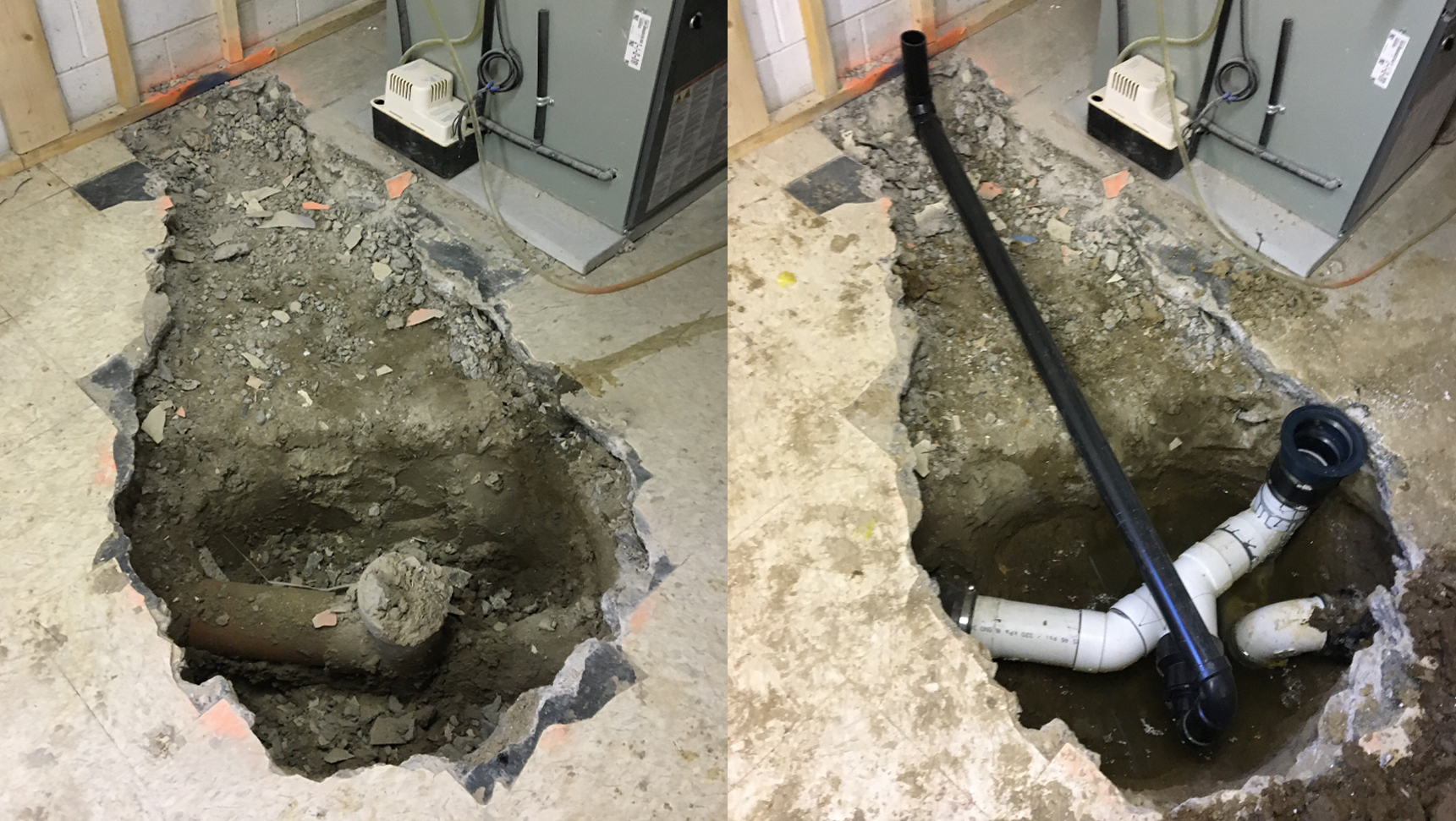

If you're facing drainage problems or thinking about moving or replacing a floor drain, it's important to know exactly what the process involves. Ed O’Flanagan, owner of Lewitt Construction Inc., sheds light on updating your basement drainage and the steps necessary to ensure proper installation.
Moving a Floor Drain in an Older Home: What’s Involved?
Older homes often have outdated floor drain systems designed with a different understanding of water flow. “In older homes, the drainage system can resemble a human body, with pipes extending from the four corners of the house,” Ed explains. “If you’re replacing or moving a drain, it usually involves breaking up the concrete slab to access the pipes, typically made from clay.” Homeowners often replace these old pipes with modern PVC pipes, which are more durable and efficient.
When You Need to Replace the Main Drain and Add a Sump Pump
If your home’s drainage system still includes weeping tiles or outdated connections, Ed says this is a good time to upgrade the system. “Disconnection of the weeping tiles is necessary, and rerouting them into a sump pump ensures water doesn't back up into your basement,” he advises. Replacing the pipes and adding a sump pump can prevent water damage and flooding in the future. Additionally, if you're working with your HVAC system, now might be a good time to install additional floor drains to avoid using inconvenient pumps or hoses.
How Does This Affect Your Furnace and Humidifier?

Ed notes that while a plumber can handle the drainage work for most homes, there are times when an HVAC specialist may be required. “If there are issues with your furnace, or if drainage near your furnace needs attention, an HVAC technician can help. A plumber will assist with the rest of the drainage-related work,” he explains. This collaboration ensures your home’s drainage is functioning properly without compromising the efficiency of your heating and cooling systems.
The Importance of Hiring a Qualified Plumber

Hiring a qualified plumber is essential when replacing or moving a floor drain. “It’s critical that the plumber has experience with these kinds of drainage issues,” Ed says. “You don’t want someone who’s just doing basic work—you want someone who knows exactly how to handle the complexities of an older drainage system.” Homeowners should take the time to check a plumber’s references, licenses, and insurance to ensure a smooth and successful project.
Conclusion
Upgrading or relocating floor drains in an older home can be a complex project, but the right planning and professional help can vastly improve your home’s drainage system.
Always consult experienced professionals, and make sure your plumber is familiar with the specific challenges of older homes. A little preparation can save you from major headaches and water damage later.
If you're renovating an older home and need to update your drainage system or move a floor drain, Elitrex Plumbing Ltd. can help. Contact the experienced team for reliable solutions and high-quality work to ensure your home’s drainage system is up to code and working effectively. General Contracting: Lewitt Construction Inc.
Jenny Kennedy of Kennedy Literary Agency provides copywriting and content for forward-thinking businesses and is the author of “Launch Into Interior Design and The Consultation Companion.”
PRESENTING PARTNERS









VIRTUAL TOURS
Explore the Renovation in 3D
