
The Path to Healthy Air: Understanding Your HVAC System
Regular maintenance is the unsung hero of home comfort. It covers everything from your home's heating and air conditioning to its ventilation systems.
While every home has some form of HVAC, not all homes have air conditioning, and the system's extent often depends on climate and personal preferences. Understanding the latest innovations and when to upgrade can significantly enhance comfort, efficiency, and safety, but it's the regular maintenance that keeps your system running smoothly and your home comfortable.
Let’s explore HVAC more closely.
What is HVAC?
HVAC stands for Heating, Ventilation, and Air Conditioning and covers everything from your heating/air conditioning source to the ventilation systems. All homes have some form of HVAC system, but not all homes have Air Conditioning (AC). The extent of the system depends on the climate and personal preferences.

The Latest HVAC Innovations
HVAC manufacturers are focused on creating systems that deliver optimal performance with minimal noise, minimal energy use, and reduced environmental impact. There has been increased demand for Cold-Climate Air Source Heat Pumps and Smart HVAC Technology, with a renewed focus on Indoor Air Quality.
Cold Climate Air Source Heat Pumps
Gord Foley of Comfortwave recommends “cold-climate air source heat pumps as a smart choice for your bottom line and the environment.” These heat pumps:
- Adapted to the cold Canadian climate
- Provide both heating and cooling in your home by controlling where the heat is transferred (inside or outside)
- Are up to three times more efficient than oil furnaces or boilers
- Dramatically reduce your greenhouse gas emissions and your carbon footprint, as compared to systems which rely on fossil fuels
- Often qualify for government grants.
In Ontario, the Home Efficiency Rebate Plus program (a partnership between Enbridge Gas and the Canada Greener Homes Grant) has been a huge success recently. More than 100,000 Ontario households participated in the program, contributing to a cleaner energy future by reducing energy consumption and greenhouse gas emissions. See the Home Efficiency Rebate
A Rise in Smart HVAC Technology
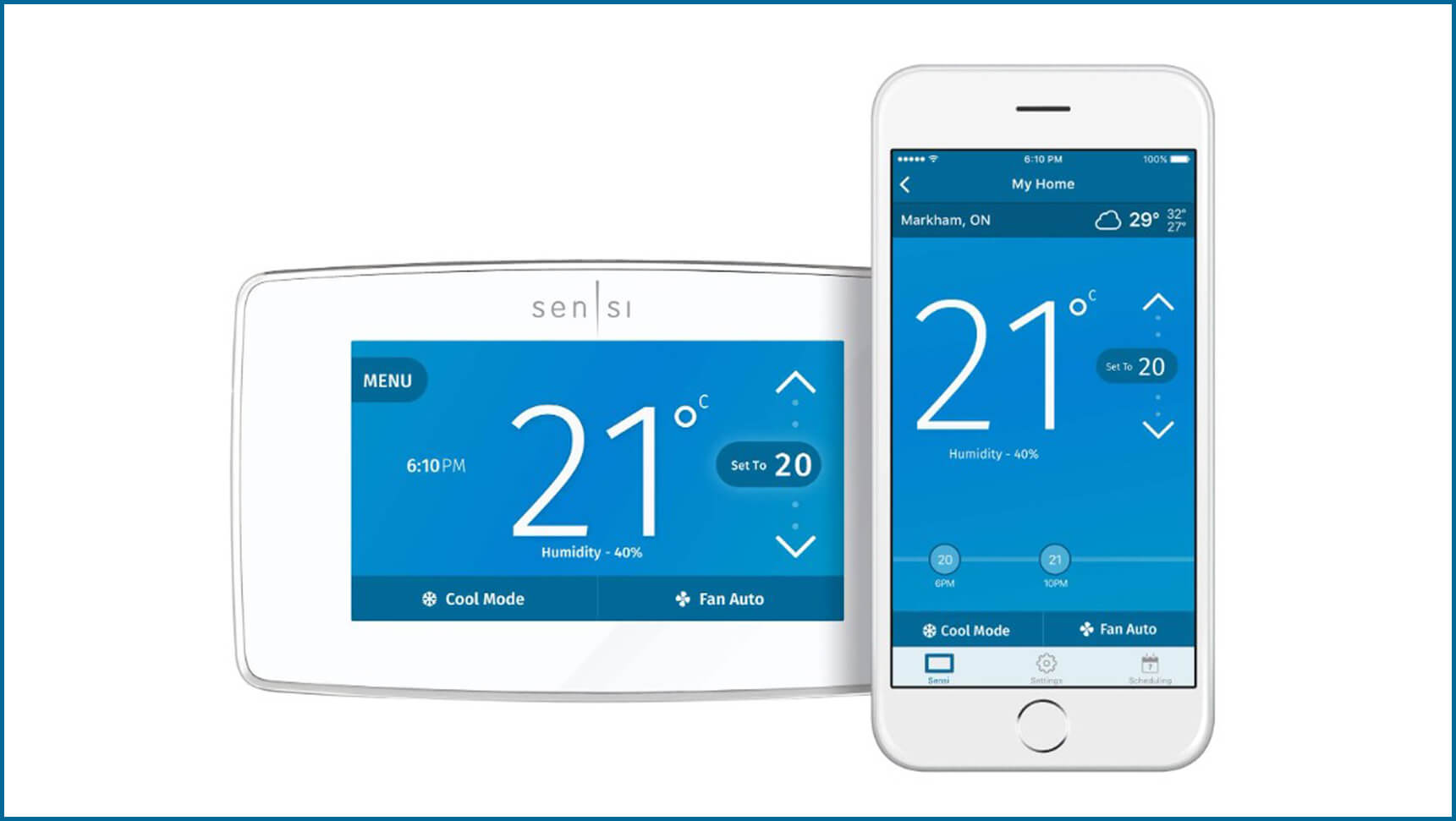
Smart technology has revolutionized the HVAC industry, as property owners embrace Wi-Fi-enabled thermostats and HVAC systems that can be controlled via smartphone apps or voice assistants.
Homeowners appreciate these smart gadgets, which provide precise adjustments and optimization based on real-time data. Property owners now have unprecedented control over their indoor environment. Some even opt to use algorithms to optimize temperature settings based on occupancy, etc.
New Focus on Indoor Air Quality
There was an increased focus on indoor air quality after COVID-19 when public health agencies recommended consulting an HVAC professional to help improve indoor air quality.
Demand for portable air filtration devices with high-efficiency particulate air (HEPA) filters continues. Homeowners are now more focused on scheduling regular HVAC system maintenance and are purchasing filters that are most efficient at removing particles.
Noise Reduction Technologies
People are looking for modern technologies to reduce noise created by HVAC units. They want sophisticated designs for quieter fans, materials that absorb sound, and soundproof enclosures to quiet the noise from compressors and air conditioning units. Furthermore, methods to isolate vibrations and materials for lining ducts can reduce the noise that travels through the ducts. Homeowners choose HVAC systems which work more quietly and offer a more serene environment.
What is the Ideal SEER2 Rating for Your Home?
The Seasonal Energy Efficiency Ratio (SEER) rates how efficiently an AC unit converts energy into cooling. A higher SEER rating means more efficiency. SEER2 is an updated version of SEER for air conditioners and heat pumps, effective January 2023. Manufacturers are introducing systems with higher SEER2 ratings, translating to lower energy consumption and household bills.
It’s difficult to provide a quick answer to the ideal SEER2 rating because it depends on several factors unique to each home, including size, location and personal preferences. Gord Foley says, “Since SEER2 ratings vary, talking to an HVAC specialist about your needs and energy savings goals is important. We also recommend that you keep an eye out for ultra-high-efficiency models that could redefine how we heat and cool our homes in future.”
What are the HVAC Costs Involved in a Home Renovation?
The cost for a professional installation of a new HVAC system depends on many factors, such as:
- Size of the home (which dictates the capacity of the units)
- Efficiency ratings desired (SEER) – typically, the more energy efficient a system is, the more expensive it is upfront.
- Type of system, with or without ducts, etc.
- Brand
- Any additional features or accessories such as humidifier, air exchanger, etc.
- Amount of work needed and the cost of labour in your area
The cost of replacing an HVAC system is close to the cost of installing a new system. Naturally, it will depend on your system type and whether it needs upgrading to meet building codes. If you are replacing an older gas or oil system, grants may be available to help switch to a more energy-efficient system.
What is the Average Lifespan of an HVAC System?
Lifespan varies depending on climate, usage, brand, quality of parts, and whether the unit was properly installed and maintained. Air conditioners and furnaces typically start to deteriorate anytime after the 10-year mark. Start planning to replace your HVAC equipment when you notice that your system isn’t as reliable or efficient as it used to be. It may help avoid having your system crash on the coldest night or hottest day.
Do you have to replace your AC and furnace at the same time? You do not generally need to replace both units simultaneously; however, you may qualify for rebates or other discounts by replacing both.
How to Choose an HVAC Contractor
Finding the right HVAC contractor can be daunting, especially if you are unfamiliar with the industry. Here are some tips to help you make an informed decision, from checking credentials and experience to seeking reviews and comparing quotes.
- Licensing and Certification
Before hiring an HVAC contractor, ensure they are licensed and certified and have the necessary skills, knowledge, and experience to handle your HVAC needs while adhering to safety guidelines. - Customer Service
Ensure your contractor is easy to communicate with and will take the time to answer your questions and concerns. Confirm whether the contractor can respond to emergencies, such as when your system is down. - Experience
Before hiring an HVAC contractor, it's important to check how long they have been in business and how they will support any warranty claims in the future. For example, get to know the contractor by browsing their website or social media and seeing if they have elite status.
HVAC Tips for Property Owners
HVAC Safety in the Home
Flammable materials stored within 18 inches of a hot water tank could catch fire.
Clutter near your HVAC unit can:
- reduce air circulation
- make it more difficult for technicians to perform repairs and maintenance
- obstruct your view of a leaking water heater until it’s too late
Laundry detergent and other household items must be kept away from water heaters. To ensure proper airflow for your AC unit, keep plants trimmed back at least two feet from all sides of the unit.
Regularly remove all debris in/on/around HVAC units.
Conclusion
Maintaining a comfortable and efficient home is crucial to keeping your HVAC system up-to-date. Modern HVAC systems offer numerous benefits, from innovative cold-climate air source heat pumps to smart technology and enhanced indoor air quality measures.
Regular maintenance and timely upgrades can prevent unexpected failures and ensure your system runs smoothly. Comfortwave Heating & Cooling Ltd., with its expertise and elite status as a TEMPSTAR dealer, is dedicated to providing top-notch HVAC solutions tailored to your needs. Whether planning a renovation or looking to improve your current system, contact Comfortwave to keep your home comfortable and safe.
Jenny Kennedy of Kennedy Literary Agency provides copywriting and content for forward-thinking businesses and is the author of “Launch Into Interior Design and The Consultation Companion.”
Photo provided by Comfortwave Heating & Cooling Ltd
PRESENTING PARTNERS







VIRTUAL TOURS
Explore the Renovation in 3D
