
How the Stone, Countertop, and Tile Industry Predicts and Meets Trends
The stone, countertop, and tile industry is a dynamic field that not only predicts but also swiftly adapts to emerging trends and demands.
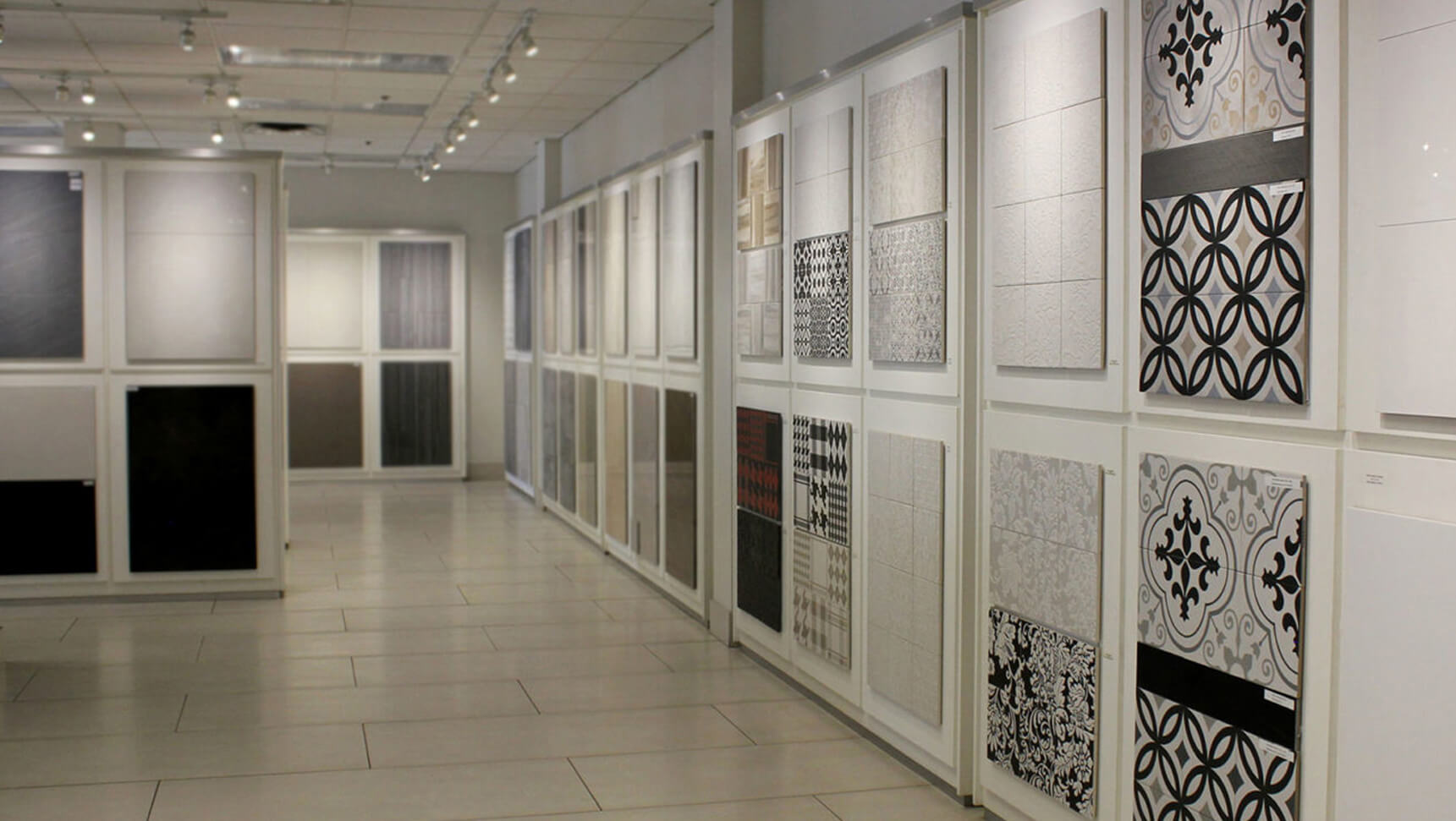
These trends, largely influenced by designers and European manufacturers, are showcased at annual trade shows, where industry professionals focus on selecting and purchasing the right lines to suit their markets. One significant aspect that ties into these trends is the colour palette, which evolves yearly, demonstrating the industry's adaptability.
Colour, Texture, and Pattern Trends for Tiles in 2025 and Beyond
As we look forward to 2025 and beyond, tile colour trends are shifting back to warmer tones.
We spoke with Christian McCullough, Manager at Interstone Marble & Granite, for insight into the latest trends. “We are seeing more natural colours, cream, beige, and off-white becoming more popular—a shift from the cooler white and grey tones of the 2010s. This shift reflects a broader trend toward creating more inviting and comfortable spaces.”
There is an increasing preference for natural finishes in terms of texture. Matte, honed, leathered, and structured porcelains are selected more frequently. These finishes offer a tactile quality that adds depth and character to surfaces, making them more appealing in residential and commercial settings.
Patterns are also evolving. While the traditional marble veining remains popular, there is a growing interest in more organic and less structured visuals. This trend aligns with the overall move towards natural aesthetics, emphasizing the beauty of imperfection and the uniqueness of each piece.

Countertop Trends for 2025 and Beyond
Countertop trends are mirroring those seen in tiles. Warm, natural colours are becoming the norm, and the preference for natural finishes is equally strong. However, a significant shift is happening due to the silica content in quartz and the new ban on these products in Australia. As a result, the market is returning to natural stones like quartzite and granite for countertops.
Christian also said, “There's a noticeable shift from the traditional marble veining towards more natural visuals in the realm of quartz and engineered stone slabs.” This change reflects a desire for countertops that offer the beauty of natural stone without the maintenance challenges.
Benefits and Drawbacks of Porcelain, Quartz, Natural Stone, and Ceramic
Natural Stone
Natural stone is incredibly versatile and can be used anywhere, from floors and walls to countertops. The ideal application often depends on the amount of traffic the stone will receive. For example:
- Marble: Soft and porous, marble is best used on vertical surfaces like fireplaces or vanity tops in low-traffic areas. It can be refinished to its original brilliance, and specialists can repair any damage.
- Quartzite and Granite: These stones are harder and less porous, making them ideal for kitchens and high-traffic areas. Quartzite's durability varies, so consulting with a fabricator or stone supplier is essential. Both materials can be repaired and refinished, extending their lifespan significantly.
Porcelain
Porcelain is extremely durable and non-porous, making it perfect for high-traffic areas and wet environments like shower walls and floors. Its heat resistance also makes it suitable for fireplace surrounds. The trend towards larger formats with fewer grout joints reduces maintenance and cleaning. However, porcelain has its drawbacks:
- If damaged, porcelain cannot be repaired and needs to be replaced.
- The exposed edge around the under-mount sinks is prone to chipping or cracking from heavy pots and pans.
Quartz/Engineered Stone
Quartz and engineered stones offer similar benefits to natural stone in terms of repairability. These materials are commonly used for kitchen countertops because they are stain-resistant and heat-resistant. However, they are not entirely stain-proof or heat-proof.
- Stain Resistance: varies based on the manufacturer and the material's composition.
- Heat Resistance: Quartz is not suitable for fireplace surrounds.
Recent advancements include 3D-printed quartz that mimics natural stone, offering improved aesthetics. Quartz and engineered stone have the biggest advantages of affordability and ease of fabrication, making them a popular choice for many homeowners.
Conclusion
The stone, countertop, and tile industry excels at predicting and meeting trends through close collaboration with designers and manufacturers. This collaborative approach ensures that industry professionals can offer products that meet market demands, making them an integral part of the industry's evolution. By attending annual shows and watching emerging styles, they can stay ahead of the curve.
As we move towards 2025, expect to see warmer tones, natural finishes, and a preference for materials that balance beauty with practicality. Whether you're choosing tiles or countertops, the industry's commitment to quality ensures that each material's benefits and drawbacks are thoroughly understood, empowering you to make the best decision for your space.
Visit the experts at Interstone Marble & Granite for more information about trends and the latest products for your countertop, backsplash, and floors. Schedule an appointment by contacting them online or by calling 905-760-1077.
Jenny Kennedy of Kennedy Literary Agency provides copywriting and content for forward-thinking businesses and is the author of “Launch Into Interior Design and The Consultation Companion.”
Photo provided by Interstone Marble & Granite
PRESENTING PARTNERS








VIRTUAL TOURS
Explore the Renovation in 3D
