
Mastering Subfloor & Framing Basics: A Comprehensive Guide for Homeowners
When it comes to renovating with new framing or flooring, the importance of quality materials cannot be overstated. Yet, many homeowners overlook this crucial component when considering subfloor or framing materials, opting for quick fixes or cheaper alternatives.
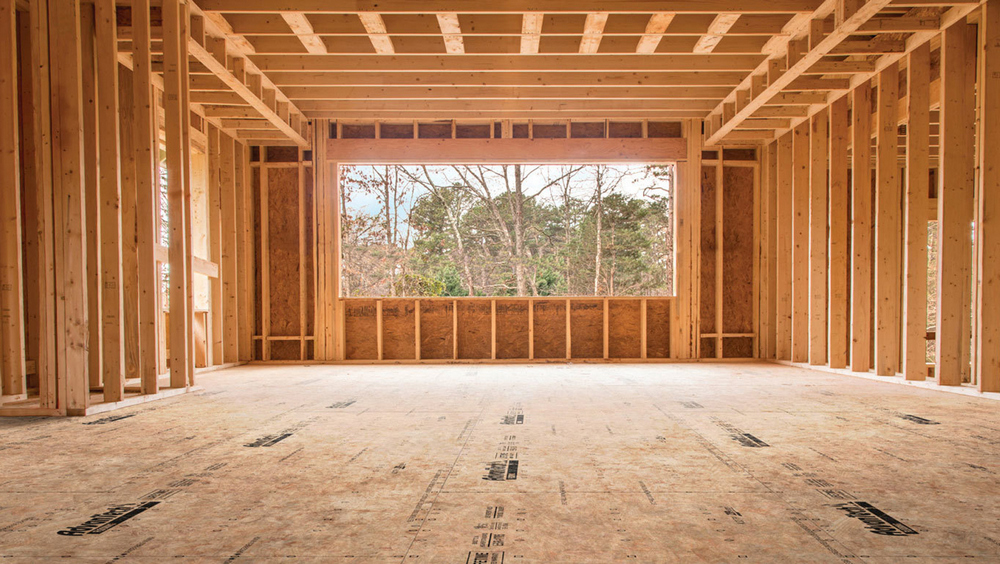
In this guide, we'll explore everything you need to know about subfloors, from types and installation methods to emerging trends in house framing. By understanding these key factors, you can ensure a sturdy foundation for your flooring project and enjoy lasting results.

Choosing the Right Subfloor
Too often, homeowners invest in replaceable elements while neglecting the foundation beneath their feet. A solid subfloor is essential for optimal finishing product application and reduces vibration and noise.
According to Robert Rozon, Regional Sales Manager Canada at Huber Engineered Woods, plywood and OSB are common choices. Still, AdvanTech stands out as a top contender and has been named the best subfloor by Builders Magazine since 2002. "The resistance to moisture absorption, strength and rigidity makes it a product that offers peace of mind."
Installation Methods and Best Practices
Proper subfloor installation is key to maximizing the performance of your subfloor and flooring. Utilizing screws or specific types of nails, along with adhesive, ensures a secure and stable foundation.
AdvanTech's subfloor adhesive, in particular, provides an additional 10-year warranty against subfloor squeaks, offering added assurance. Remember to install subfloor panels on beams in the 4' direction to align with the panel's strong axis and utilize the indicated face pattern for fastener placement.
Robert adds, "To receive this guarantee, you must use AdvanTech, AdvanTech subfloor adhesive, and an engineered joist."
Innovations in House Framing
As construction methods evolve, so do the approaches to house framing. Builders are increasingly adopting strategies to enhance insulation performance, such as building at 24'' CC instead of the traditional 16''.
Advanced Framing techniques, which reduce the number of studs, further improve insulation values and optimize energy efficiency. Additionally, there's a rising demand for thicker subfloor panels to accommodate wider joist spacing, facilitating easier installation of HVAC systems and ensuring structural integrity.
Key Considerations for Renovation Framing
When planning a renovation, framing is an investment that pays off in the long run. By allocating resources to quality framing materials and techniques, homeowners can future-proof their homes and minimize the need for costly renovations down the line. Even small upgrades, such as opting for thicker subfloor panels, can significantly improve the foundation's overall performance and durability of your home.
What to Avoid
While understanding the best practices for subfloor installation is crucial, it's equally important to be aware of common pitfalls to avoid. One common mistake is neglecting proper moisture protection during installation, leading to warping, swelling, and mould growth over time. Additionally, using inadequate fasteners or failing to follow manufacturer guidelines for adhesive application can compromise the integrity of the subfloor.
Furthermore, overlooking the importance of aligning subfloor panels with the strong axis or failing to inspect for any imperfections before installation can result in uneven flooring and structural issues. By avoiding these pitfalls and adhering to recommended installation practices, homeowners can ensure solid and reliable framing and subfloor for years.
To Re-Cap
A well-constructed subfloor is the cornerstone of any flooring project, providing stability, support, and longevity. By prioritizing quality materials, proper installation methods, and innovative framing techniques, homeowners can create a solid foundation that withstands the test of time. Whether embarking on a renovation or installing new flooring, investing in your subfloor is an investment in the future of your home.
For more information about framing and subfloor products from Huber Engineered Woods, contact the experts at Taiga Building Supplies.
Jenny Kennedy of Kennedy Literary Agency provides copywriting and content for forward-thinking businesses and is the author of “Launch Into Interior Design and The Consultation Companion.”
Photo provided by Huber Engineered Woods
PRESENTING PARTNERS








VIRTUAL TOURS
Explore the Renovation in 3D
